
Craft
A Guide to Indian Embroidery Techniques: Zardozi, Aari, Cut-Dana and Gota Patti
Understand the embroidery techniques behind designer fabrics — what each looks like, how it feels and where it works best.
ShreejiFab Studio · 19 October 2026 · 5 min read
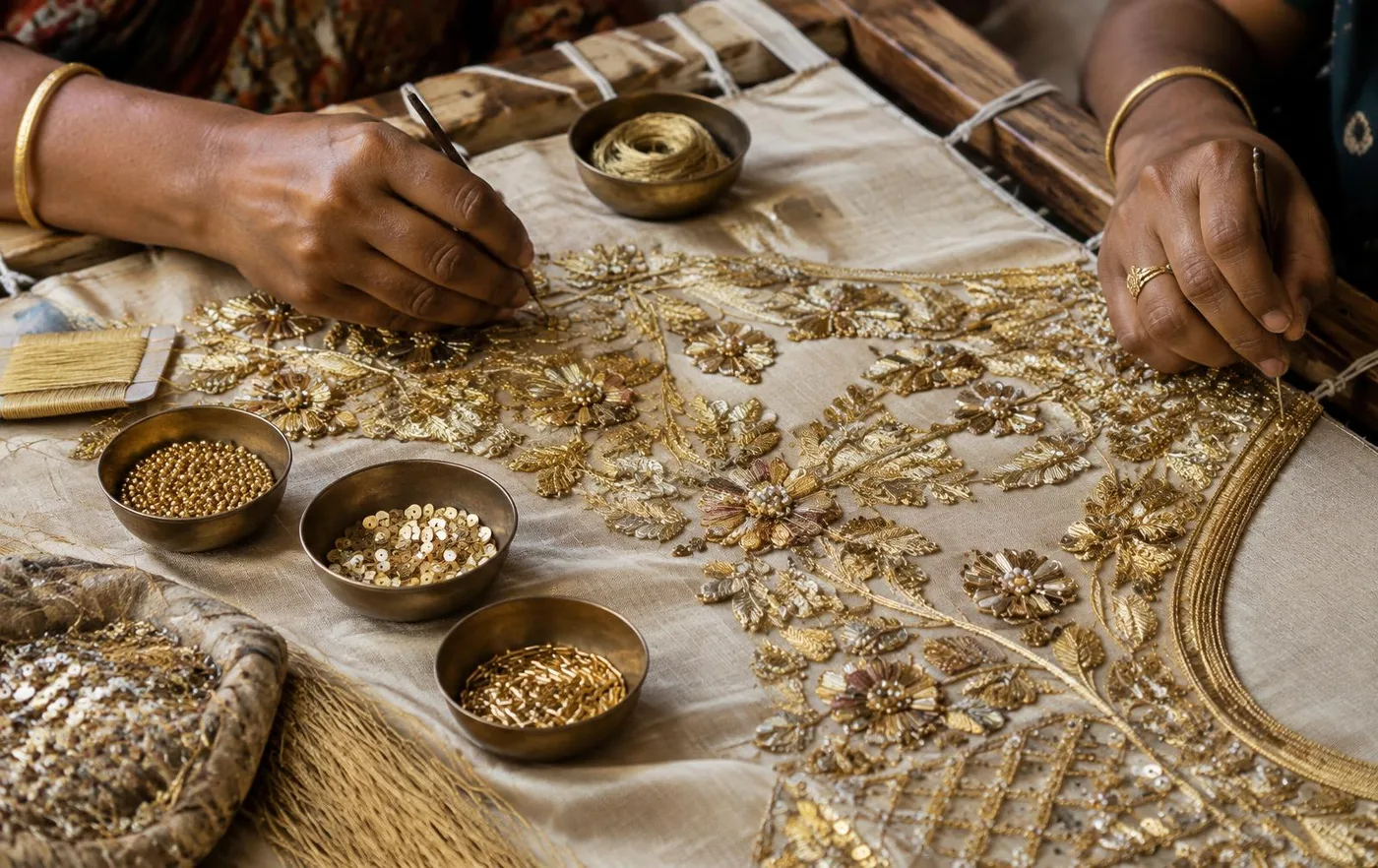
Embroidery terminology can feel like a language of its own. Knowing the difference between techniques helps you brief your fabric partner clearly and choose surfaces that suit your garment. Here is a practical guide to the techniques you will meet most often.
Zardozi
Zardozi is raised metal-thread embroidery, traditionally worked with coiled metallic wires, threads, beads and sequins. It creates a rich, sculptural surface with an heirloom feel.
Best for: bridal lehengas, velvet jackets, blouses and statement borders. Keep in mind: zardozi adds weight, so it is often used on stable bases like velvet, raw-silk textures or organza with careful placement.
Dabka
Dabka uses fine coiled metal wire that is cut and stitched to create tight, shimmering texture. It is frequently combined with zardozi to add depth to motifs.
Aari work
Aari embroidery is worked with a hooked needle, producing fine, continuous chain-stitch lines. It is ideal for detailed florals, vines and outlines, and it can be combined with sequins and beads.
Best for: dupattas, kurtas and all-over jaal patterns.
Thread embroidery
Thread work — including tonal and multi-colour florals — offers softness and versatility. On organza or georgette, tone-on-tone thread embroidery gives a refined, understated finish.
Cut-dana, pearls and sequins
Cut-dana are faceted glass beads that catch light from every angle. Combined with pearls and sequins, they create sparkle that is perfect for reception and cocktail wear.
Keep in mind: embellishment density affects drape and weight. Spaced florals keep sheer bases graceful.
Gota patti
Gota patti is a festive appliqué technique using metallic ribbon cut into petals and leaves, often finished with mirrors or thread outlines. It is lighter than metal-thread embroidery and wonderfully celebratory.
Best for: haldi and mehendi outfits, festive kurta sets and dupattas.
Choosing the right technique
Start with the end use: who will wear it, for how long, and in what climate. Then consider weight, budget and the look you want up close and in photographs. If you are unsure, share your reference with us and we can suggest suitable techniques and bases — start a custom brief.
- embroidery
- zardozi
- craft
Looking for fabrics like these?
Keep reading
More from the journal
Trends · 26 October 2026
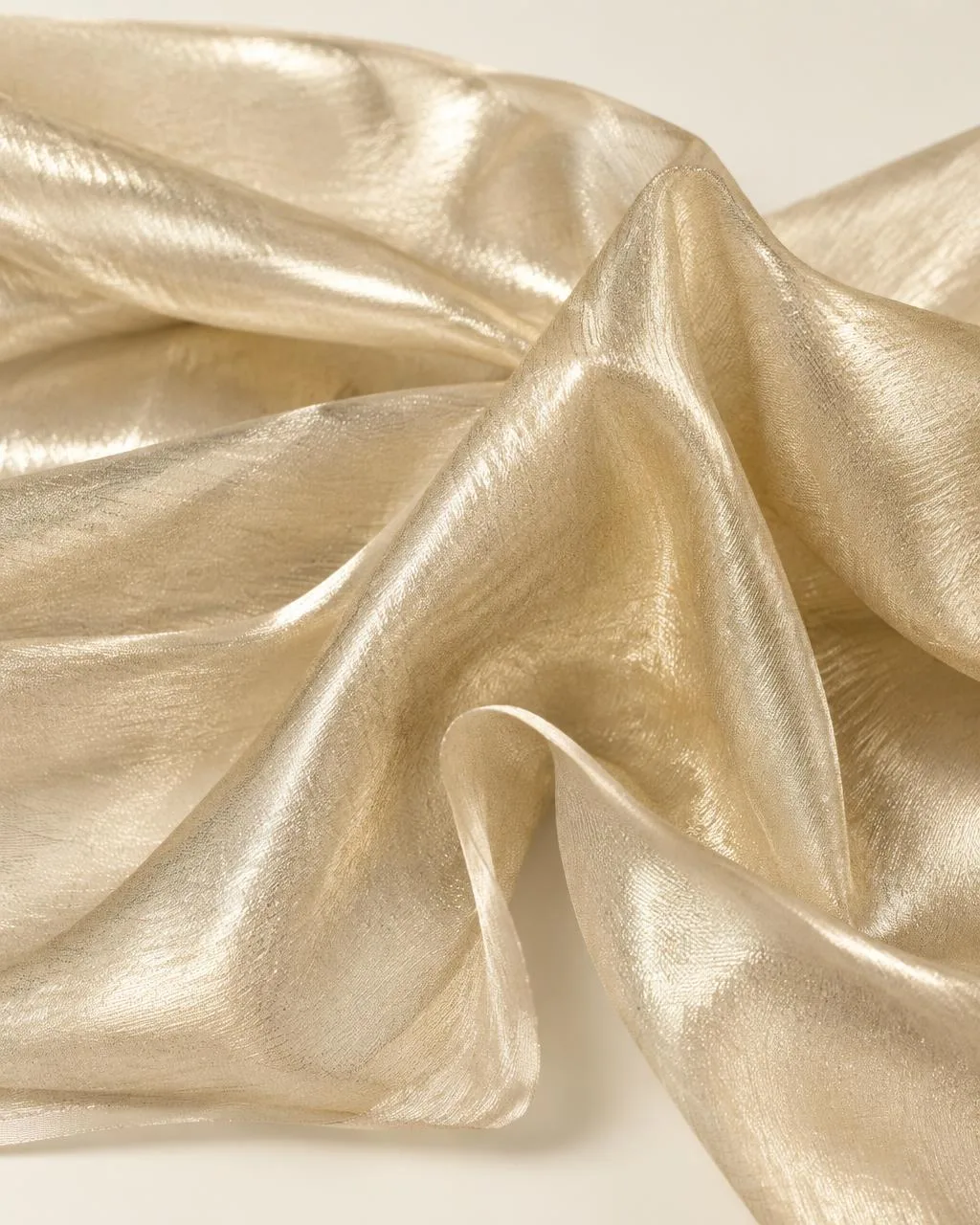
Designer Fabric Trends: Tissue, Texture and Tonal Embroidery
Soft metallics, tactile surfaces and tone-on-tone embroidery are shaping designer collections. Here is how to use them well.
Read article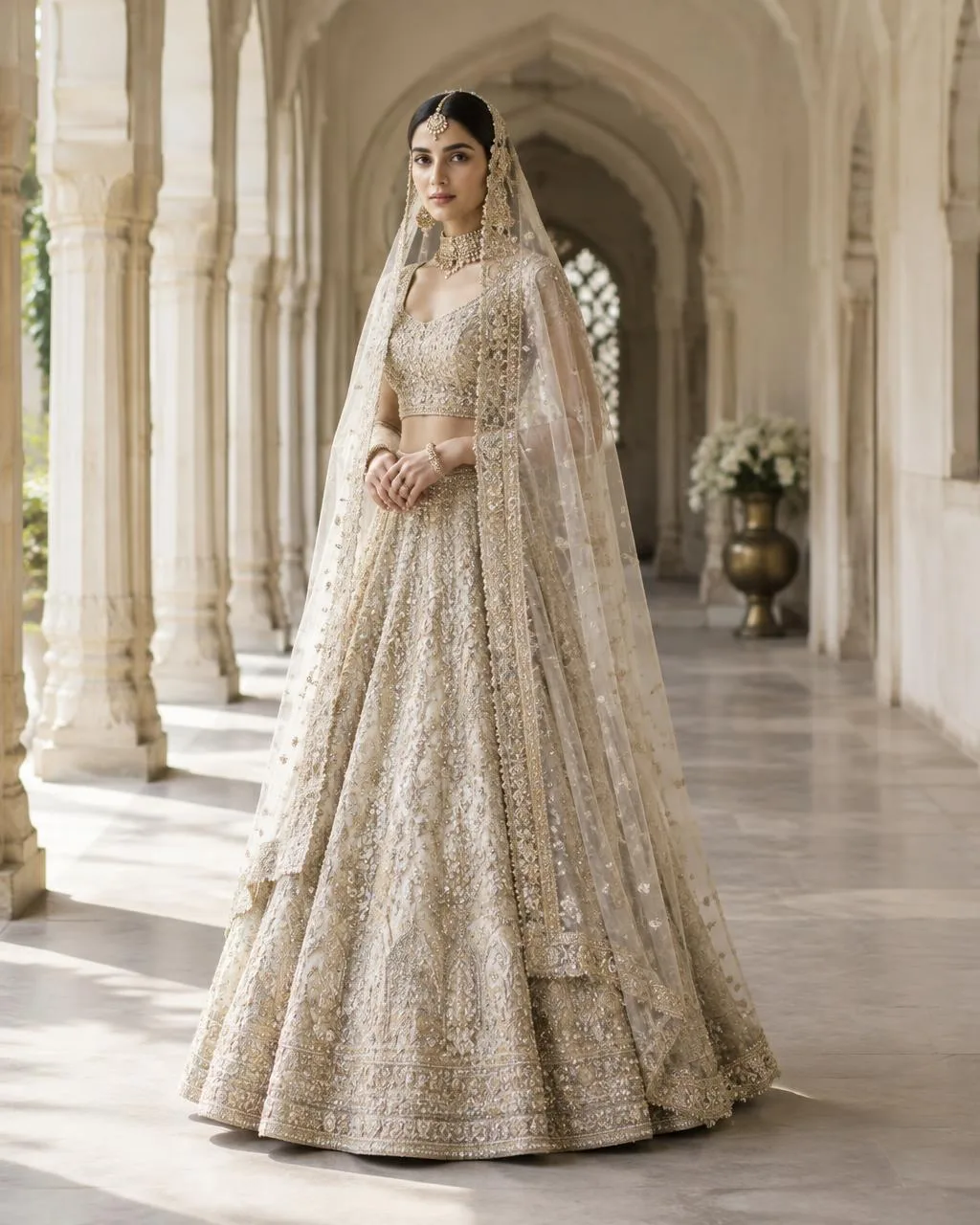
Bridal & Festive · 12 October 2026
Choosing Bridal and Festive Fabrics: Weight, Drape and Embellishment
Bridal and festive garments are worn for long hours and photographed endlessly. Here is how to choose fabrics that look and feel right.
Read article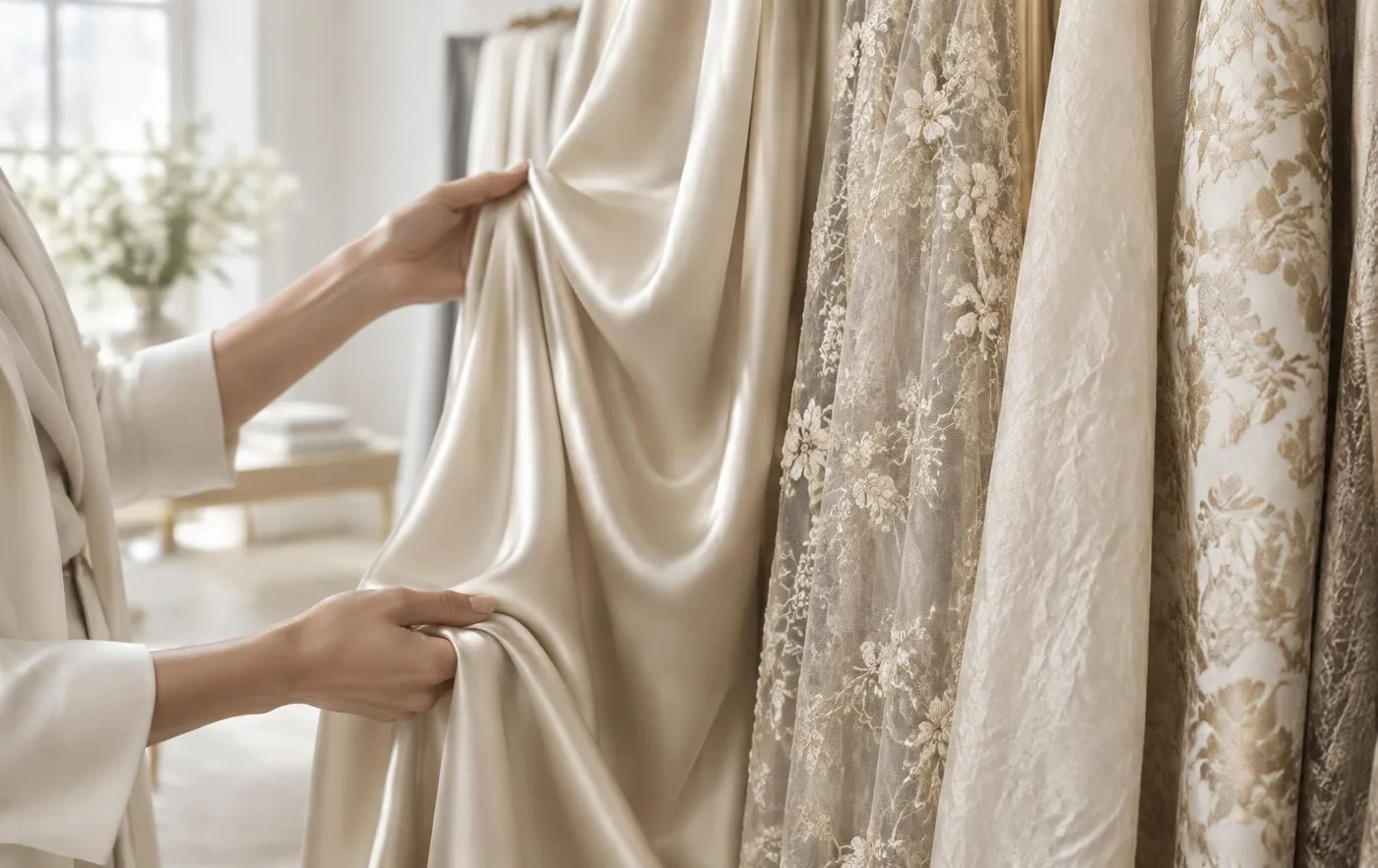
Guides · 5 October 2026
How to Select the Right Fabric for Your Garment: A Designer's Checklist
A practical checklist to help designers and boutiques evaluate fabric before committing to a collection.
Read article